
How to Properly Use an 88kW Diesel Mobile Air Compressor

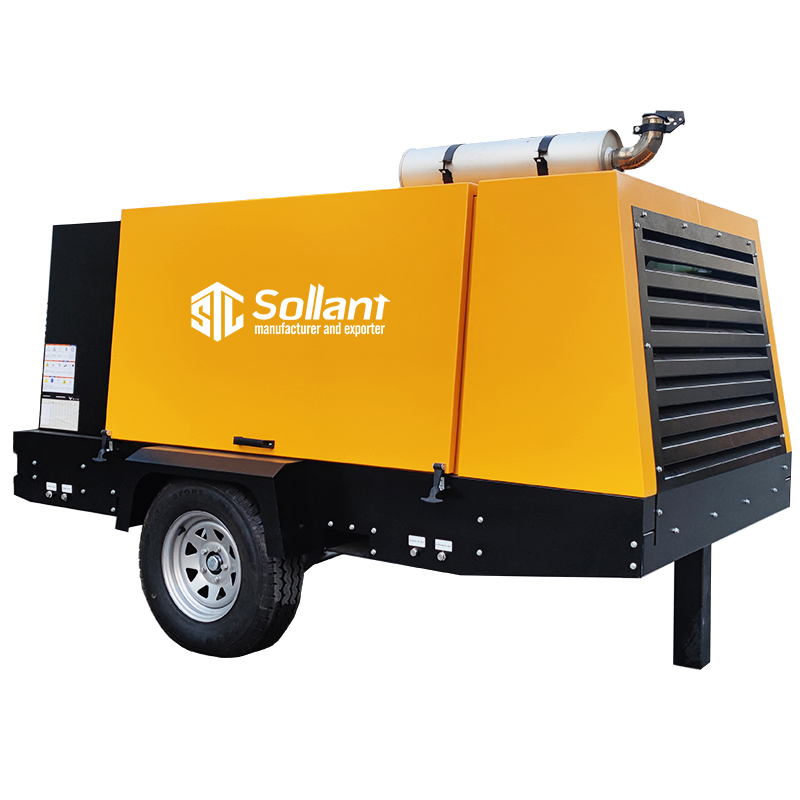
Using an 88kW diesel mobile air compressor correctly ensures optimal performance, enhances its lifespan, and reduces the risk of malfunctions. Below are key steps and guidelines to follow for safe and efficient use, ensuring that the compressor operates at its full potential while meeting SEO-friendly content standards.
Table of Contents
1. Pre-Operational Checks
Before starting the compressor, it’s essential to perform routine pre-operational inspections:
- Fuel Level: Check the fuel tank to ensure it is filled with the appropriate grade of diesel. Low fuel can cause stalling or damage the engine.
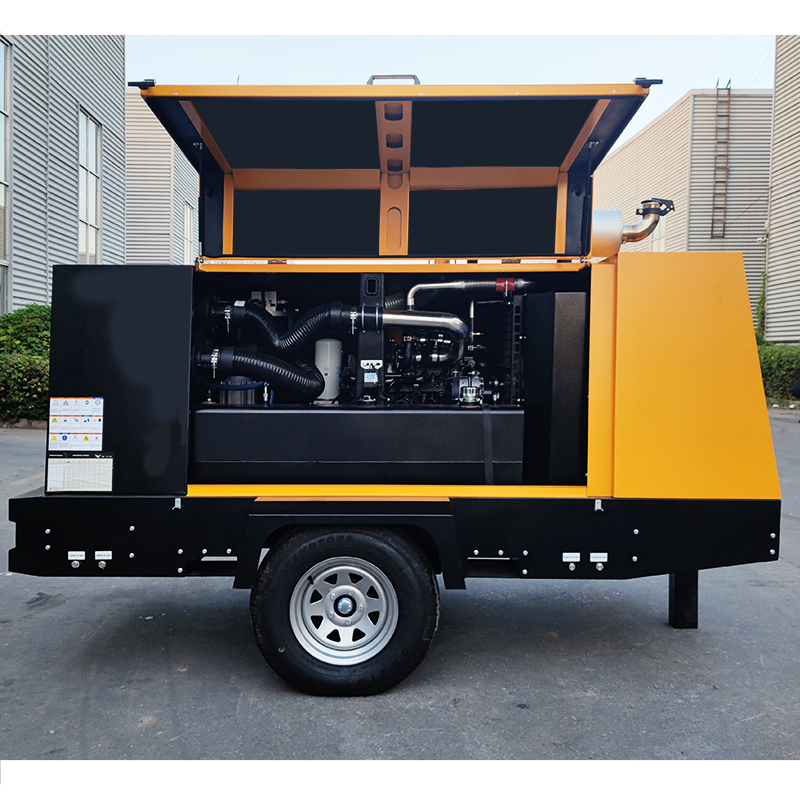
- Oil and Fluid Levels: Ensure the engine oil, coolant, and hydraulic fluid levels are adequate. This prevents overheating and mechanical issues.
- Air Filters: Inspect the air filters for dirt and blockages. Clean or replace them if needed to maintain airflow efficiency.
- Battery Check: Verify that the battery is fully charged and properly connected.

2. Correct Startup Procedure
When starting an 88kW diesel mobile air compressor, follow these steps to prevent damage and ensure smooth operation:
- Preheat Engine (if necessary): In cold weather, use the preheat function to warm up the engine before starting.
- Turn on the Ignition: Start the engine and let it idle for a few minutes to allow the engine oil to circulate and reach optimal operating temperature.
- Engage the Compressor Slowly: Once the engine is warmed up, gradually increase the compressor’s load. Avoid sudden changes in pressure to prevent mechanical stress.
3. Monitor Operating Conditions
To ensure the air compressor runs efficiently and safely, monitor key operating parameters during use:
- Exhaust Pressure: Keep an eye on the exhaust pressure gauge. The pressure should remain within the manufacturer’s recommended range to avoid overloading the compressor.
- Engine Temperature: Check the engine temperature to ensure it doesn’t overheat. If the temperature rises too high, stop the machine and investigate the cause.
- Oil Pressure: Ensure that the oil pressure is stable, indicating that the compressor is properly lubricated.
- Noise and Vibration: Listen for any unusual noises or excessive vibrations that may indicate mechanical issues or misalignment.

4. Proper Airflow Management
Ensure the diesel mobile compressor is positioned in a well-ventilated area to promote efficient airflow:
- Avoid Obstructions: Keep the intake and exhaust vents clear of debris or other objects that could block airflow, as restricted ventilation can lead to overheating.
- Outdoor Placement: If working outdoors, position the compressor in a shaded area to minimize the risk of excessive heat buildup in the engine.
5. Regular Maintenance
Routine maintenance is essential for the long-term performance of an 88kW diesel mobile air compressor:
- Change the Oil Regularly: Follow the manufacturer’s recommended oil change intervals to ensure the engine is properly lubricated.
- Replace Filters: Regularly replace air, fuel, and oil filters to maintain the cleanliness of the engine and prevent blockages that can lower efficiency.
- Inspect Belts and Hoses: Check the belts and hoses for wear or cracks, and replace them as needed to avoid unexpected breakdowns.
- Clean Radiators: Keep the radiator clean and free of dust or dirt to ensure efficient cooling and prevent overheating.
6. Shutdown Procedure
When the task is complete, follow a proper shutdown procedure to avoid sudden damage to the compressor:
- Lower the Load: Gradually reduce the compressor load and allow the engine to idle for a few minutes to cool down.
- Turn Off the Engine: Once the engine is sufficiently cooled, turn off the ignition and disconnect the compressor from any power sources.
7. Troubleshooting Common Issues
Be aware of common issues that may arise and how to troubleshoot them:
- Low Pressure Output: If the pressure output is too low, check for leaks in the hoses or air intake obstructions.
- Overheating: If the compressor overheats, ensure the cooling system is functioning properly, and clean the radiator or air filters if necessary.
- Excessive Noise: Excessive noise could indicate worn-out bearings or loose components, which should be addressed by a professional technician.
8. Safety Precautions
Always adhere to safety guidelines when operating an 88kW diesel mobile air compressor:
- Wear Protective Gear: Always wear safety glasses, gloves, and ear protection to safeguard against injury.
- Secure the Compressor: Ensure the compressor is stable and secure, especially when working on uneven surfaces.
- Follow Manufacturer Guidelines: Adhere to the manufacturer’s safety recommendations, and never attempt to modify the machine.
Conclusion
Proper use and maintenance of an air compressor are key to ensuring its optimal performance and longevity. By following these guidelines, you can maximize efficiency, reduce downtime, and ensure the safe operation of your equipment in any industrial environment.
Request a Quick Quote Now

Shandong Sollant Machinery Manufacturing Co., Ltd.
12 years of professional export experience. Our twin-screw air compressor is very popular in the international market.
We will never rent or sell your email to anyone.
How to do my business well ?
- Market situation
- Technology configuration
- Strike Price
- exclusive agency
- Import and export assistance
- More…

