
How to Efficiently Use an 88kW Diesel Screw Compressor

An 88kW diesel screw compressor is a powerful and essential machine used in various industries, including construction, mining, and manufacturing. Proper usage and maintenance are key to ensuring optimal performance, longevity, and energy efficiency. In this guide, we’ll explore the best practices for efficiently using an 88kW diesel screw compressor, helping you maximize productivity while minimizing downtime and fuel consumption.
Table of Contents
1. Correct Installation and Positioning
For efficient operation, it is crucial to set up the 88kW diesel screw compressor in an appropriate location. Place the compressor on a stable, level surface to prevent unnecessary vibrations and ensure proper airflow. Adequate ventilation is essential to prevent overheating, so make sure the machine is positioned in an open area, away from obstructions or walls that could block air circulation.
2. Pre-Operation Inspections
Performing regular pre-operation checks can help identify potential issues before they become major problems. Key aspects to inspect include:
- Fuel Level: Ensure the diesel tank has enough fuel for the expected operating duration.
- Oil Level: Check the compressor and engine oil levels. Insufficient oil can lead to excessive wear and damage to key components.
- Coolant Level: Verify that the cooling system has adequate coolant to prevent the machine from overheating during extended use.
- Air Filter: Inspect the air filter for dust or debris. A clean air filter allows the compressor to work more efficiently and extends the life of the engine.

3. Gradual Startup Process
To prolong the life of your 88kW diesel screw compressor, always start the machine gradually. After starting the engine, allow it to idle for a few minutes to stabilize before loading the compressor. This warm-up period ensures the compressor’s moving parts are properly lubricated and reduces the risk of mechanical failure during operation.
4. Optimize Pressure Settings
To ensure efficient operation, adjust the pressure settings according to the specific requirements of your application. Running the compressor at unnecessarily high pressure can lead to increased fuel consumption and excess wear on components. Set the output pressure based on the needs of the connected tools or equipment to maintain productivity without wasting energy.
5. Monitor Fuel Efficiency
Diesel screw compressors are known for their fuel efficiency, but further optimization is possible by avoiding overloading and idling. When not in use, avoid leaving the compressor running idle for long periods, as this wastes fuel. Additionally, using tools and accessories that match the compressor’s output capacity will help reduce fuel consumption. Implementing load/unload cycles can also contribute to improved fuel efficiency.


6. Regular Draining of Condensate
Moisture buildup is inevitable during compressor operation, especially in humid environments. Regularly drain the moisture from the air tank using the built-in condensate drain valve. Allowing water to accumulate in the system can lead to corrosion and reduce the efficiency of the compressor. Daily or weekly draining, depending on usage levels, will help maintain optimal performance.
7. Routine Maintenance of Air Filters and Oil
- Air Filters: Clogged air filters reduce the efficiency of the compressor and can cause damage over time. Clean or replace air filters as part of regular maintenance to ensure smooth airflow and improved fuel economy.
- Oil Changes: Regularly change the compressor oil to maintain proper lubrication and prevent overheating. Check the oil quality and level frequently, especially during heavy use, to prevent engine damage.
8. Avoid Overloading the Compressor
An 88kW diesel screw compressor is designed to handle a specific load capacity. Operating beyond this capacity can lead to overheating, reduced performance, and increased wear and tear. Always calculate the total air demand of the connected tools or equipment and ensure it does not exceed the compressor’s rated capacity. If higher output is required, consider adding additional compressors or upgrading to a larger unit.


9. Monitor Key Performance Indicators
Modern diesel screw compressors come equipped with various gauges and monitoring systems to help users track performance. Regularly check indicators such as:
- Oil Pressure: Ensure it is within the recommended range to avoid damage to the compressor’s moving parts.
- Temperature Gauges: High operating temperatures may indicate insufficient cooling or an overloaded compressor. Address any overheating issues immediately.
- Fuel Level: Keep an eye on fuel levels to prevent interruptions during extended work periods.
10. Scheduled Maintenance and Inspections
Preventative maintenance is key to maximizing the lifespan of your 88kW diesel screw compressor. Develop a maintenance schedule that includes:
- Oil and filter changes: Follow the manufacturer’s guidelines for regular oil and filter replacements.
- Cooler and radiator cleaning: Clean the cooler and radiator to prevent dust and dirt buildup, which can lead to overheating.
- Inspection of belts and hoses: Regularly inspect for signs of wear and replace damaged parts to prevent unexpected breakdowns.
Conclusion
Efficiently using an 88kW diesel screw compressor involves more than just turning it on and letting it run. By following these best practices—proper setup, regular inspections, optimal pressure settings, and consistent maintenance—you can maximize the compressor’s performance while reducing operational costs. Regular care and attention will also help extend the lifespan of the machine, ensuring it remains a reliable asset on your job site for years to come.
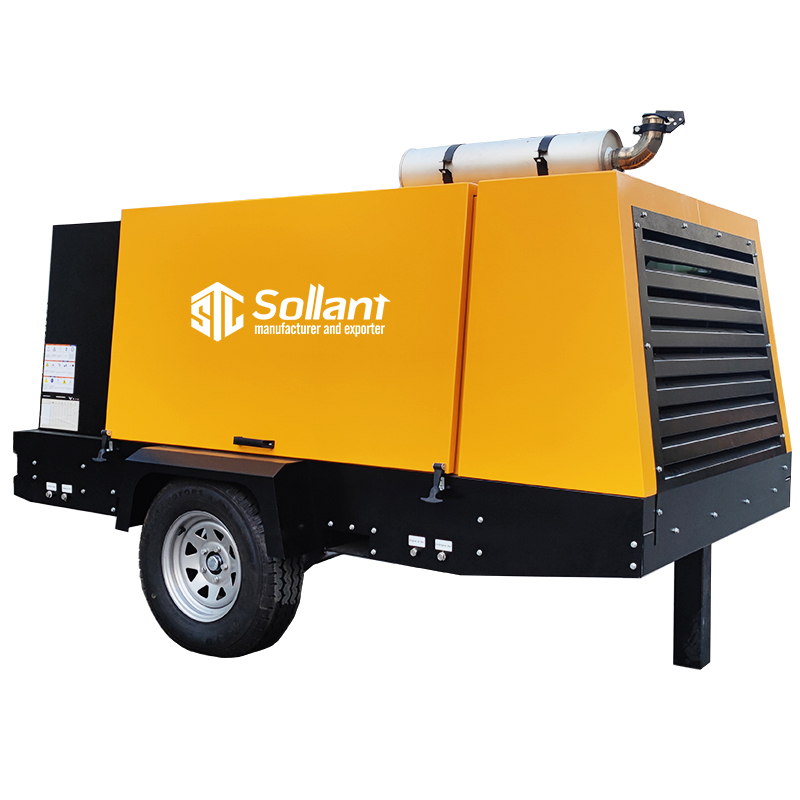
Sollant Mobile Diesel Screw Air Compressor
Sollant at the 136th Canton Fair! We look forward you to coming!
Request a Quick Quote Now

Shandong Sollant Machinery Manufacturing Co., Ltd.
12 years of professional export experience. Our twin-screw air compressor is very popular in the international market.
We will never rent or sell your email to anyone.
How to do my business well ?
- Market situation
- Technology configuration
- Strike Price
- exclusive agency
- Import and export assistance
- More…

