
How to Properly Use a 39 kW Diesel Mobile Air Compressor

A 39 kW diesel mobile air compressor is a powerful and versatile machine used across various industries, from construction to mining and manufacturing. To maximize its efficiency, prolong its lifespan, and ensure safe operation, it’s essential to follow proper usage guidelines. In this article, we will discuss the best practices for using a 39 kW diesel mobile air compressor, covering key operational steps and maintenance tips to optimize performance.
Table of Contents
Why Proper Usage is Important
Using a diesel air compressor correctly can:
- Improve Performance: Proper usage ensures consistent air pressure and efficient operation.
- Reduce Downtime: Following correct procedures helps avoid malfunctions and unexpected breakdowns.
- Extend Lifespan: Good maintenance and operation reduce wear and tear, prolonging the machine’s life.
- Enhance Safety: Ensuring the compressor is used properly minimizes safety risks on the job site.
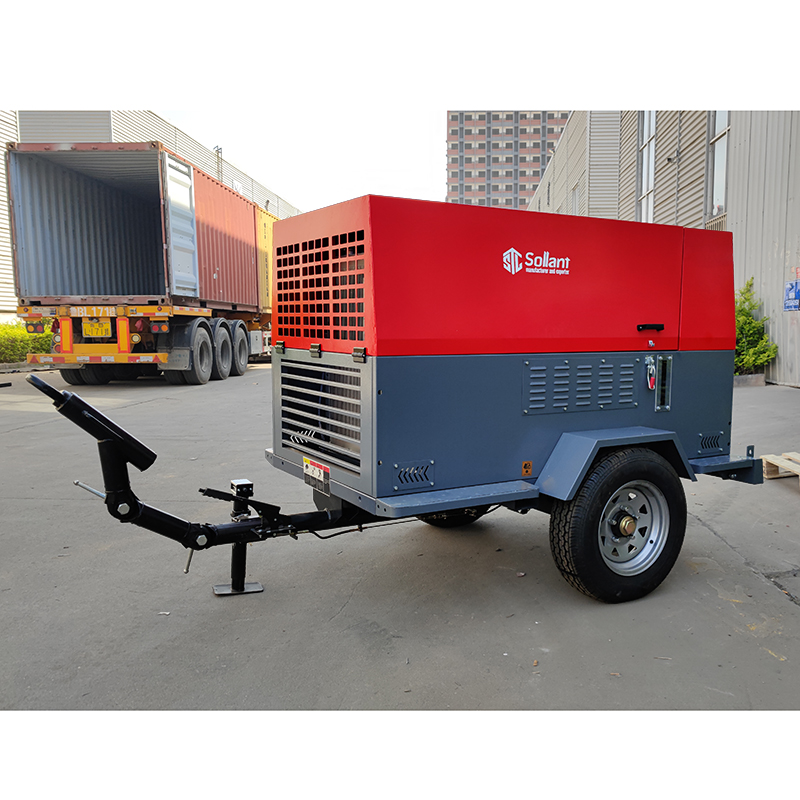

Key Steps for Using a 39 kW Diesel Mobile Air Compressor
1. Pre-Operation Inspection
Before starting the compressor, it is important to inspect it to make sure everything is in working condition. Key areas to check include:
- Fuel Level: Ensure there is enough diesel fuel for operation. Running out of fuel can damage the engine.
- Oil Level: Check the oil level to make sure the engine has proper lubrication.
- Coolant Level: Confirm that the coolant is at the recommended level to prevent overheating.
- Air Filters: Inspect the air filters and clean or replace them if necessary to avoid air intake blockages.
- Tires: If your compressor is mobile, ensure the tires are properly inflated and in good condition.
2. Start-Up Procedure
Once the pre-operation checks are complete, follow these steps to start the air compressor:
- Turn the Key to Start the Engine: Allow the engine to warm up before increasing the load. This ensures smooth operation and prevents mechanical stress.
- Monitor the Gauges: Keep an eye on the temperature, oil pressure, and fuel gauge as the compressor starts up. Any unusual readings could indicate a problem that requires attention.
- Set the Desired Pressure: Adjust the pressure settings according to the needs of your tools or machinery. Make sure the pressure does not exceed the recommended limit to avoid damaging the compressor or connected equipment.
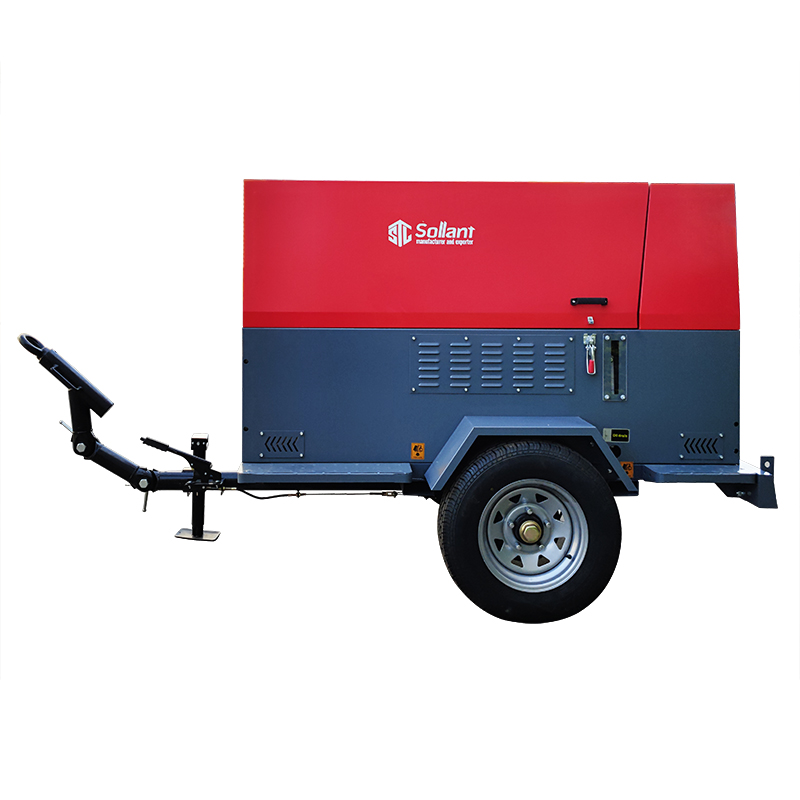

3. Operate the Compressor Efficiently
During operation, use the compressor in a way that ensures optimal performance:
- Avoid Overloading: Do not exceed the compressor’s capacity. Overloading can lead to reduced performance and equipment failure.
- Use Proper Hoses: Ensure that you are using the correct size and length of hoses to avoid pressure drops. Too long or too narrow hoses can affect airflow and efficiency.
- Monitor the Engine: Regularly check the engine’s temperature and pressure gauges during operation to ensure everything is running smoothly.
4. Shut Down the Compressor Safely
Proper shutdown procedures are as important as start-up to maintain your diesel air compressor in good condition:
- Gradually Reduce Load: Before shutting down, reduce the compressor’s load to idle for a few minutes. This helps cool down the engine gradually.
- Turn Off the Engine: After idling, turn off the compressor engine and allow it to cool completely before conducting any further inspections or maintenance.
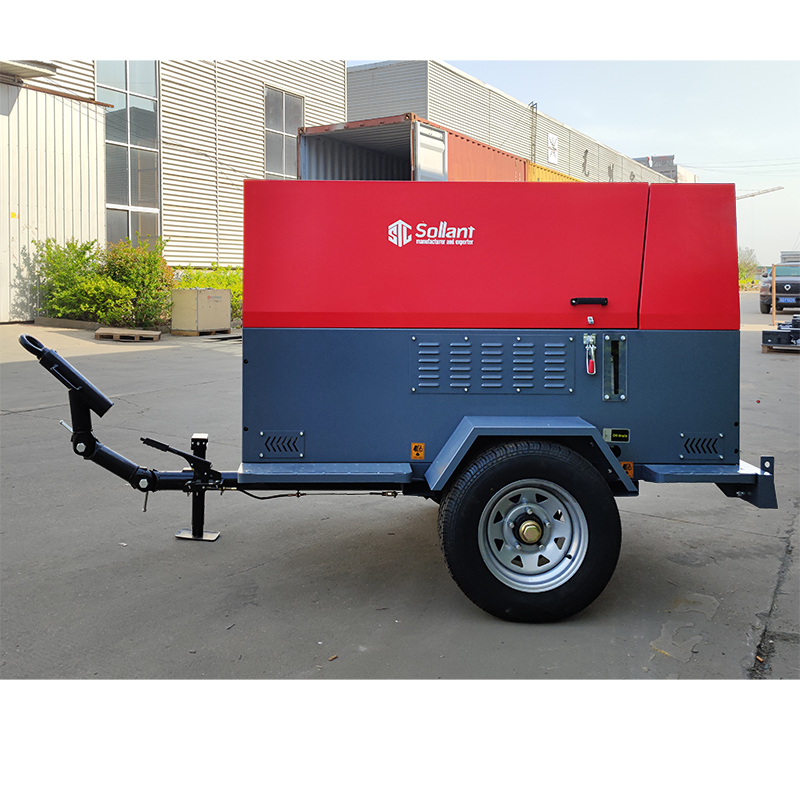

Maintenance Tips for Long-Term Performance
Regular maintenance of your 39 kW diesel air compressor is essential for ensuring its reliability and efficiency.
1. Change the Oil Regularly
- Engine Oil: Change the engine oil every 500 hours of operation or as recommended by the manufacturer. Fresh oil ensures the engine is properly lubricated, which prevents overheating and internal damage.
- Compressor Oil: Check and replace the compressor oil at regular intervals to ensure smooth operation of the air system.
2. Inspect and Replace Air Filters
Dirty air filters can block airflow and reduce compressor efficiency. Inspect the filters regularly and clean or replace them as needed to keep the air intake clean and unrestricted.
3. Drain the Air Tank
Over time, moisture can accumulate in the air tank, leading to rust and damage. Regularly drain the air tank to remove moisture and prevent corrosion.
4. Check and Tighten Bolts and Hoses
Vibrations during operation can loosen bolts and hose connections. Regularly inspect and tighten these components to avoid air leaks or mechanical failures.
5. Fuel System Maintenance
Ensure that the fuel system is working properly by checking the fuel filters and replacing them as needed. Clean fuel filters help maintain consistent engine performance and prevent blockages.
Safety Tips for Operating a Diesel Mobile Air Compressor
- Operate in Well-Ventilated Areas: Diesel engines produce exhaust fumes, so it’s essential to use the compressor in open or well-ventilated areas to prevent inhaling harmful gases.
- Wear Protective Gear: Always wear appropriate protective gear, including safety glasses, gloves, and ear protection, while operating the air compressor.
- Avoid Hot Surfaces: Be cautious around hot engine parts, as they can cause burns. Allow the compressor to cool down before performing any maintenance.
Conclusion
Properly using a 39 kW diesel mobile air compressor is key to ensuring efficient operation, extending the machine’s lifespan, and maintaining safety on the job site. By following pre-operation checks, operating guidelines, and regular maintenance routines, you can get the most out of your air compressor while minimizing downtime and repair costs.
When Should You Choose a Portable Diesel Air Compressor?
How to use oil-free air compressors correctly to extend their life
Request a Quick Quote Now

Shandong Sollant Machinery Manufacturing Co., Ltd.
12 years of professional export experience. Our twin-screw air compressor is very popular in the international market.
We will never rent or sell your email to anyone.
How to do my business well ?
- Market situation
- Technology configuration
- Strike Price
- exclusive agency
- Import and export assistance
- More…

