
How to Efficiently Use a 70kW Diesel Portable Air Compressor

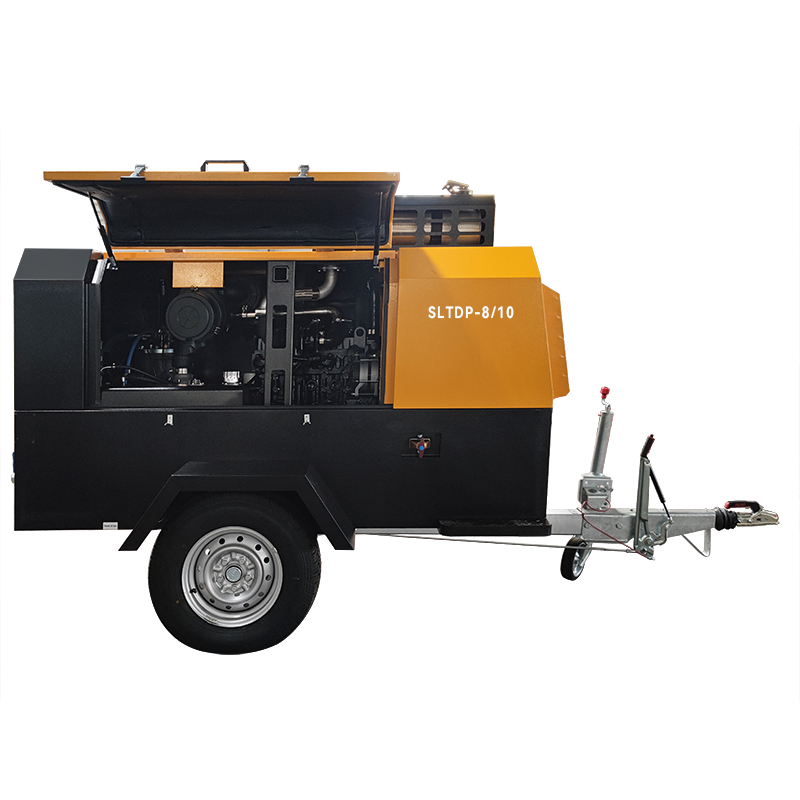
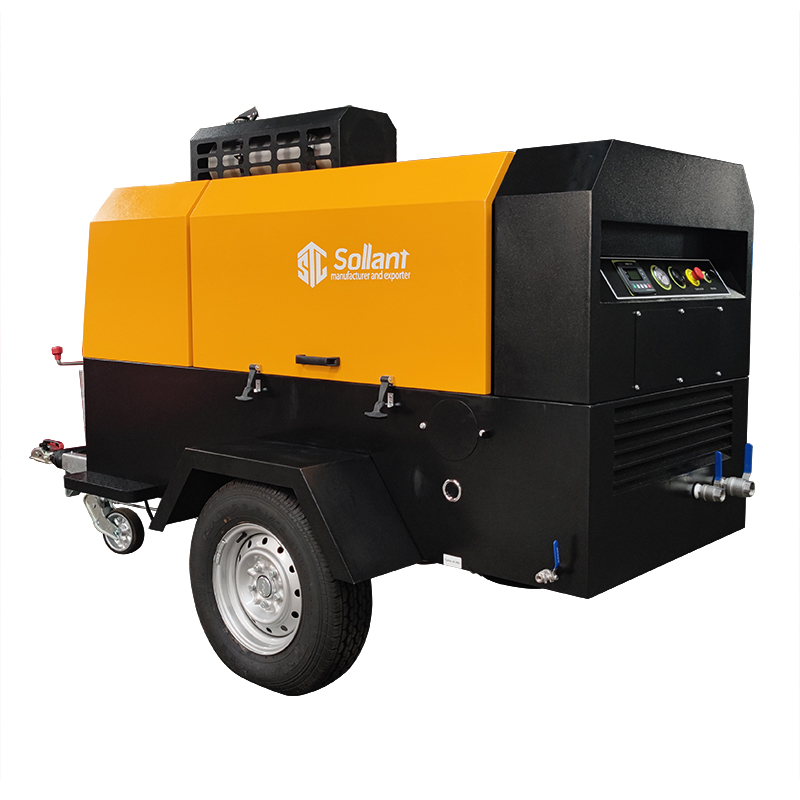
A 70kW diesel portable air compressor is a powerful and essential tool used in a wide range of industrial applications such as construction, mining, and manufacturing. To ensure its longevity, maximize fuel efficiency, and achieve optimal performance, it’s important to follow best practices for its operation and maintenance. This guide will cover key steps to efficiently use your 70kW diesel portable air compressor.
Table of Contents
1. Pre-Operation Inspection
Before operating a 70kW diesel air compressor, conducting a thorough pre-operation inspection is crucial for efficiency and safety. Key checks include:
- Fuel and oil levels: Ensure that the diesel fuel tank is full and that the oil level is within the manufacturer’s recommended range.
- Air filters: Check that the air filters are clean to allow unrestricted airflow. Clogged filters can reduce performance and increase fuel consumption.
- Coolant levels: Inspect the coolant system to prevent overheating during prolonged use.
- Belts and hoses: Examine all belts and hoses for signs of wear, tear, or looseness and replace them if necessary.
- Battery condition: Make sure the battery is charged and the electrical connections are secure.
A detailed pre-operation inspection helps prevent issues that could cause downtime and inefficiency.
2. Efficient Startup Procedure
To optimize the performance of your 70kW diesel portable air compressor, follow a careful startup process:
- Turn on the main power switch: Confirm that all safety mechanisms are in place and the machine is ready to start.
- Warm up the engine: Allow the diesel engine to warm up for a few minutes to reach its ideal operating temperature, which ensures smoother performance and fuel efficiency.
- Monitor gauges: Keep an eye on pressure, oil, and temperature gauges to ensure they are within the correct range.
- Gradually load the compressor: Slowly apply load to the compressor once it has reached optimal temperature. Avoid sudden full-load starts to prevent excessive wear on the engine and components.

3. Optimize Fuel Efficiency
Fuel consumption is one of the largest operational costs for a 70kW diesel air compressor. Here are some tips to optimize fuel efficiency:
- Operate at the recommended load: Running the compressor at its rated capacity ensures better fuel efficiency and reduces unnecessary wear.
- Turn off during idle periods: If the compressor will not be used for an extended time, shut it off to save fuel.
- Maintain clean air filters: Dirty air filters force the compressor to work harder, increasing fuel consumption. Regularly cleaning or replacing filters helps maintain fuel efficiency.
- Keep the compressor well-maintained: Regular maintenance ensures that all components operate smoothly, reducing fuel consumption.
4. Monitor Operating Conditions
Efficient use of the 70kW diesel portable air compressor depends on monitoring its operating conditions:
- Check temperature and pressure: Monitor the compressor’s temperature and pressure gauges during operation. If the machine overheats or the pressure drops, stop the compressor and investigate the cause immediately.
- Place the compressor in a ventilated area: Ensure that the compressor is placed in an open or ventilated environment to avoid overheating, which can reduce efficiency and damage the engine.
- Avoid overloading: Never operate the compressor beyond its rated capacity, as overloading can cause excessive wear and reduce efficiency. Overloading also increases fuel consumption.


5. Proper Maintenance for Longevity
Routine maintenance is key to extending the life and efficiency of your 70kW diesel air compressor. Key maintenance tasks include:
- Regular oil and filter changes: Follow the manufacturer’s recommended schedule for changing the oil and filters to keep the engine in good condition.
- Inspect for leaks: Air or oil leaks can significantly reduce the performance of the compressor. Regularly inspect the system for leaks and repair them promptly.
- Clean the cooling system: Keeping the radiator and cooling system free from dust and debris ensures efficient heat dissipation, preventing overheating during long operations.
- Service by professionals: Periodically have the compressor serviced by qualified technicians to ensure that all parts are functioning correctly and to prevent costly repairs.
6. Shutdown Procedure
Efficient shutdown is as important as efficient startup. After using the 70kW diesel portable air compressor, follow these steps for proper shutdown:
- Gradually reduce load: Before stopping the compressor, reduce the load to allow the system to stabilize.
- Allow the engine to cool down: Let the engine idle for a few minutes to cool down before completely shutting off the power.
- Turn off the main switch: After the engine has cooled, turn off the main power switch to avoid unnecessary electrical drainage.

7. Safety Considerations
Efficient and safe operation go hand in hand. Here are some important safety tips for using a 70kW diesel portable air compressor:
- Wear protective gear: Always use appropriate safety gear, such as gloves, ear protection, and safety glasses, when operating the compressor.
- Ensure proper ventilation: Diesel engines emit exhaust gases, so make sure the compressor is operated in a well-ventilated area.
- Follow load limits: Never exceed the rated load capacity of the compressor, as it could lead to dangerous malfunctions.
- Adhere to the manufacturer’s guidelines: Always follow the manufacturer’s recommended operating instructions to ensure both safety and efficiency.
Conclusion
By following these guidelines, you can ensure efficient use of your 70kW diesel portable air compressor. Regular maintenance, proper startup and shutdown procedures, and mindful operation will not only help you maximize fuel efficiency but also extend the lifespan of your equipment. Efficient use of your air compressor is essential for reducing operational costs and maintaining high performance in demanding industrial environments.
Request a Quick Quote Now

Shandong Sollant Machinery Manufacturing Co., Ltd.
12 years of professional export experience. Our twin-screw air compressor is very popular in the international market.
We will never rent or sell your email to anyone.
How to do my business well ?
- Market situation
- Technology configuration
- Strike Price
- exclusive agency
- Import and export assistance
- More…

